September 21, 2026
General Contractor Guidance for Successful Property Upgrades in Hull
By @andypwcd152
Hull has a building stock that keeps contractors honest. You can move from Victorian terraces to post-war semis, from ex-rental flats to newer estates, often within a short drive. Each property type brings its own habits, defects, and surprises. That matters when you are planning upgrades, because the right decision on one street can be the wrong one two miles away.
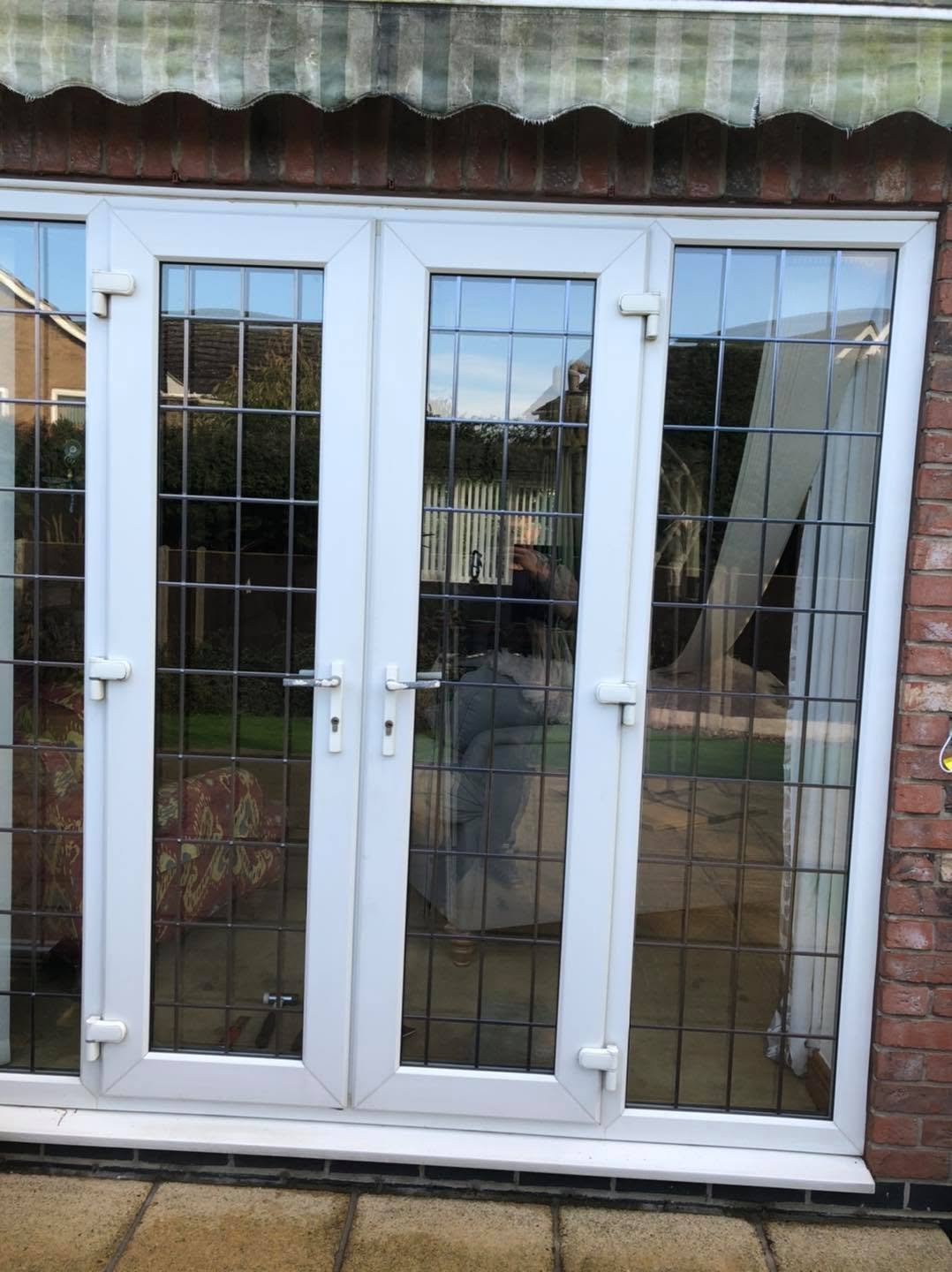
A good General Contractor does more than line up trades and keep the dust down. The real value is judgment. It is knowing when a wall can come out and when it should not. It is spotting damp that is really ventilation failure, not rising moisture. It is understanding why one client should spend on insulation before a kitchen, while another should sort the roof first because every pound spent inside is at risk until the envelope is sound.
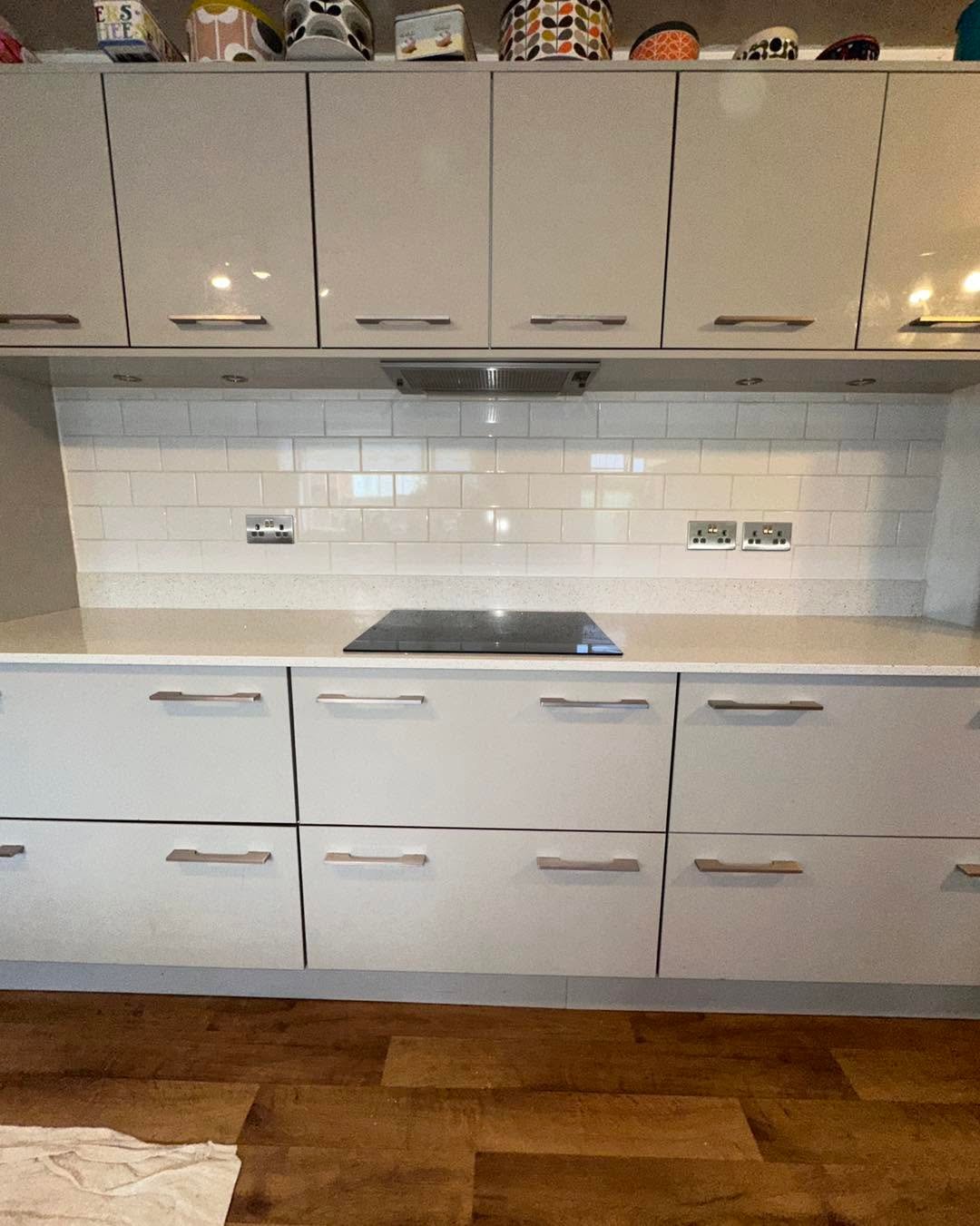
Property upgrades in Hull succeed when the sequence is right, the budget is realistic, and the work suits the building rather than fighting it. That sounds simple. In practice, most expensive mistakes happen because one of those three points gets ignored.
Hull properties reward careful planning
Many upgrade projects start with excitement and end with compromise because owners focus on finishes too early. Tiles, paint colours, new flooring, feature lighting, these are the visible parts, so they naturally get attention first. Yet on site, the invisible work drives the outcome. Drainage falls, floor levels, joist condition, old wiring routes, boiler capacity, extractor duct runs, these details determine whether the finished room looks clean and performs well six months later.
In Hull, older homes often conceal layered alterations. A dining room may have become part of the kitchen fifteen years ago, with patchwork electrical work and heating pipe reroutes hidden under later finishes. A flat roof extension may have had a repair rather than a replacement. A bathroom fan might vent into a loft instead of outside. None of this is unusual. It simply means surveys and strip-out findings need to shape the final plan.
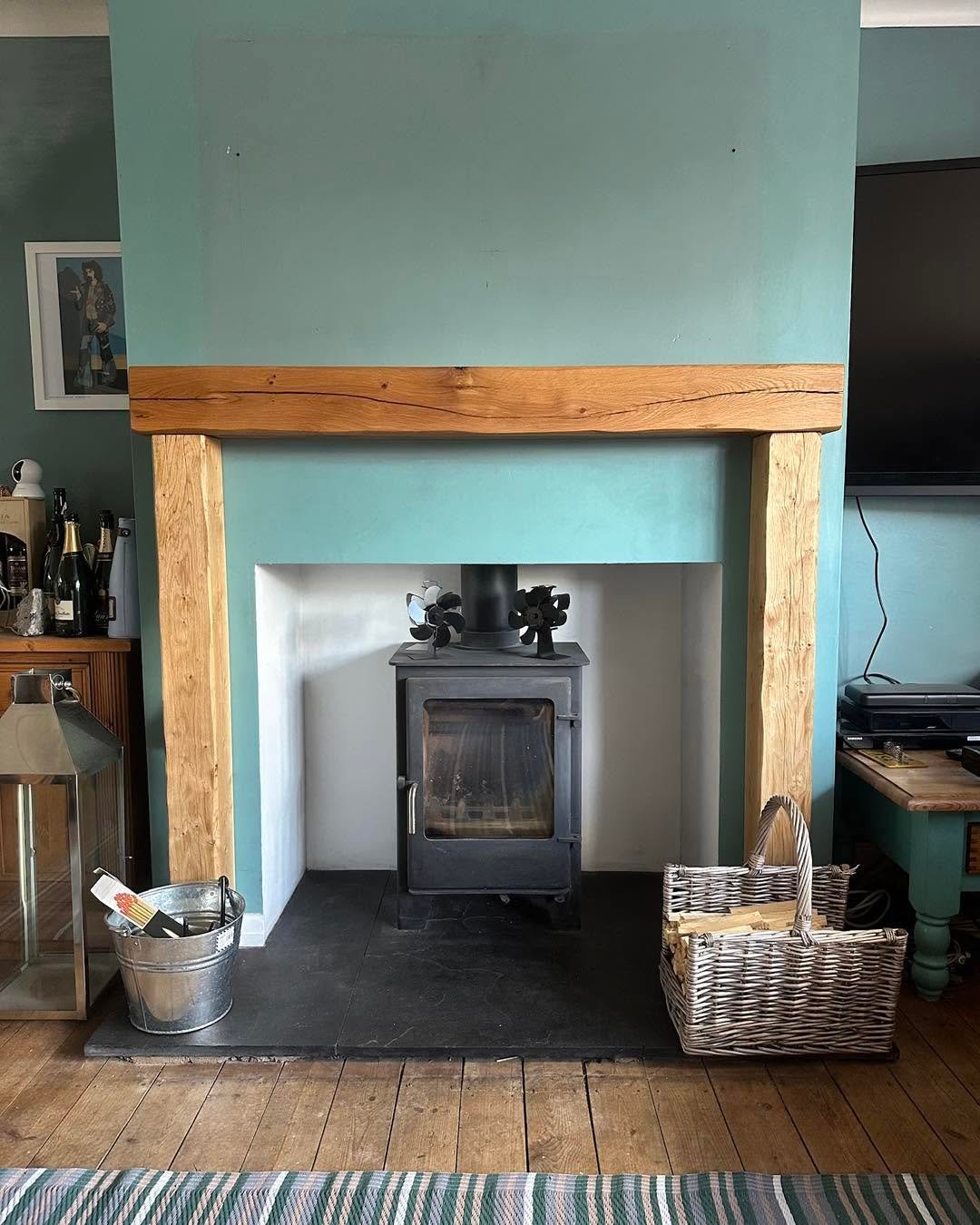
This is where experienced Property Renovation Hull work differs from quick cosmetic contracting. A contractor with local knowledge expects irregularities. They allow time to inspect floor voids, open small trial areas, and confirm dimensions before ordering bespoke materials. That approach may feel slower in week one, but it prevents delays in week five, when a kitchen supplier is waiting for final measurements and the plasterer cannot close walls because the electrician has found obsolete cabling.
Start with the building, not the wish list
Owners usually come to a contractor with a clear ambition. They want a larger kitchen, a better bathroom, more natural light, improved rental value, lower running costs, or a general uplift before sale. Those are sensible goals. The important move is translating them into a practical order of work.
If the roof is near the end of its life, replacing internal ceilings first makes little sense. If windows are poor and the property loses heat badly, underfloor heating may disappoint because the fabric performance is holding everything back. If damp staining is linked to blocked gutters and failed pointing, replastering without fixing the external defects is money spent twice.
A seasoned General Contractor will often redirect the conversation at this stage. Not to frustrate the client, but to protect the outcome. I have seen owners allocate £25,000 to a lovely rear room upgrade, only to realise halfway through that the consumer unit, waste runs, and floor structure need another £8,000 to £12,000 before the visible work can even begin. Better to know that up front than discover it under pressure.
There is also a difference between a property that needs renovation and one that needs stabilisation. Renovation improves. Stabilisation makes the building safe, dry, compliant, and fit for further investment. In Hull, especially with older terraced housing and properties that have seen years of piecemeal landlord repairs, the second category appears more often than people think.
What a strong General Contractor actually brings to the job
The phrase gets used loosely, but the role is specific. A strong General Contractor coordinates the project as a system. They are responsible not just for trades, but for interfaces between trades, timing, procurement, quality control, and problem-solving.
That matters because many failures in domestic building work do not come from any one trade being incapable. They come from handovers being mishandled. The plasterer closes a wall before a cable addition is confirmed. The floor tiler starts before moisture levels are suitable. The decorator arrives while joinery adjustments are still underway. Each trade may be competent. The project still suffers.
On a typical Hull property upgrade, a contractor is balancing several moving parts at once. Building control may need staged inspections. Materials may be delayed, especially made-to-order kitchens, doors, or windows. Existing walls may be out of plumb, which affects cabinetry and tiling. Floor levels may vary more than expected from room to room. The contractor’s job is to absorb these realities and keep the programme achievable.
Good contractors also protect clients from false economy. A low quote can look attractive until exclusions start appearing. Waste removal, scaffold changes, making good after first-fix alterations, upgrading substandard existing work, temporary weatherproofing, skip permits, all of these can fall outside a bare-bones price. When comparing bids, detail matters far more than the headline figure.
Budgets work best when they reflect site reality
The most reliable renovation budgets are not the neatest ones. They include room for what cannot yet be seen. Anyone who has worked on older property knows that opening up reveals the truth. Timber decay around a poorly detailed flat roof, cracked drains under a new extension line, ceiling joists not suitable for additional loading, chimney breasts with hidden support issues, these are ordinary discoveries, not freak events.
For that reason, I usually advise clients to separate their money into three mental pots. One is the core contract cost for known work. Another is the contingency for discoveries, often around 10 to 15 percent on moderate refurbishments, and sometimes more if the property is tired or heavily altered. The third is the discretionary upgrade fund for better finishes or optional extras, which should only be released once the core structure of the job is secure.
This distinction is powerful because it avoids the common trap of spending contingency money before the real risk has emerged. Clients understandably want to improve specifications while they are already investing. They upgrade taps, choose stone worktops, add bespoke joinery, and select premium flooring. That is fine if the building has proved straightforward. It is less fine if you are still waiting to see what lies under the bathroom floor or behind the old kitchen plaster.
For Property Renovation Hull projects, a realistic budget often looks less glamorous on paper than a hopeful one. It is also the budget more likely to deliver a finished job without stress, rushed compromises, or half-completed extras left for later.
Permissions, compliance, and the parts owners often underestimate
Not every project needs formal planning approval, but many still require careful checking. Structural alterations, drainage changes, electrical work in certain locations, insulation standards, fire safety requirements, and means of escape can all trigger obligations. Flats and leasehold property add another layer, especially where freeholder consent is involved.
A contractor should not replace professional planning or structural advice, but they should know when those inputs are needed and raise the issue early. That alone can save weeks. It is much easier to revise a design on paper than to halt a job because a steel detail has not been signed off or because drainage falls are unworkable as drawn.
Building regulations become especially important when owners are doing partial upgrades. For example, changing a bathroom layout might seem straightforward, but if extract ventilation is inadequate, window replacement has reduced background airflow, and the room has a history of condensation, simply installing new finishes without addressing air movement is asking for mould to return. Likewise, replacing a kitchen without reviewing circuit capacity and protective devices is unwise if the property’s electrics are old.
A useful contractor treats compliance as part of quality, not as box-ticking. The projects that age well are nearly always the ones where the unseen standards were respected from the start.
The order of work can save or destroy value
One of the clearest signs of experience is sequencing. Even strong design and good craftsmanship can be undermined by poor order of operations.
In broad terms, the work should move from intrusive to delicate, and from structural to decorative. That means resolving external defects, structural changes, drainage, rewiring, plumbing alterations, and insulation before expensive finishes go in. It also means understanding which rooms should be held back. On lived-in projects, for instance, it may be smarter to complete one contained bathroom fully before starting the kitchen, rather than scattering disruption across the whole house.
I once saw a client push hard to have oak flooring laid before a final heating test and before all second-fix joinery had arrived, mainly because they were hosting family two weeks later. The installer warned against it. The contractor warned against it. The floor went down anyway. A leak on a later plumbing connection affected several boards, and protecting the finished surface during ongoing work proved difficult. The client paid twice, once for the original installation and once for remedial replacement. The lesson was not about oak flooring. It was about sequence.
Where owners remain in the property, timing gets even more sensitive. Dust control, temporary kitchen arrangements, bathroom access, skip positioning, and daily Landscaping Hull shut-off periods for power or water all need planning. A contractor who has handled occupied homes before will talk about these practicalities without being prompted.
Kitchens and bathrooms are not just cosmetic jobs
These are the rooms where many people focus first, and reasonably so. They drive comfort and resale appeal. They are also the areas where poor technical decisions show up fastest.
A bathroom in Hull often fails not because the suite was cheap, but because the substrate moved, extraction was weak, or pipework routes were forced into awkward positions. Tiled wet areas need rigid backgrounds. Showers need reliable falls and tanking where appropriate. Extract fans need genuine external discharge and enough performance for the room. If the contractor ignores these basics, no brand of brassware will rescue the result.
Kitchens demand similar discipline. Layout should reflect use, not just showroom images. In compact terraces, circulation space matters as much as cabinet count. Tall units can quickly overpower narrow rooms. Existing chimney breasts, low windowsills, and uneven walls may affect appliance positions and worktop continuity. Service routes should be designed before cabinetry is ordered, especially where island units, boiling water taps, or induction upgrades are planned.
A capable General Contractor will also watch how one choice triggers another. Add a large range cooker and you may need revised extraction and electrical provision. Move the sink to an island and drainage becomes more involved. Open the rear wall to the dining room and suddenly lighting design, heating distribution, and floor levels all need coordinated decisions.
External works often decide whether internal upgrades last
This is one of the most overlooked truths in domestic renovation. Owners invest heavily inside while underestimating the building envelope. Yet leaking gutters, cracked render, worn pointing, failed seals, blocked gullies, and aging roofs routinely undo internal work.
Hull’s weather can expose weak details quickly. Wind-driven rain, persistent moisture, and hard seasonal shifts test masonry, flashings, and junctions. A room can be replastered beautifully, but if the external cause remains, staining or damp-related deterioration may return. Good Property Maintenance Hull practice starts outside as often as inside.
That applies to drainage too. Standing water near thresholds, poor paving falls, and downpipes discharging badly can create recurring headaches. Sometimes the fix is modest, clearing runs, adjusting levels, renewing hopper heads, adding proper termination. Sometimes it reveals a larger issue with old underground drainage or settlement around an extension. Either way, the right approach is diagnosis first, not cosmetic treatment.
Choosing the right contractor in Hull
Clients often ask what separates a dependable contractor from a risky one. Price alone tells you very little. Plenty of expensive contractors disappoint, and plenty of fairly priced firms deliver excellent work. The useful indicators are usually behavioural.
Look for evidence that they ask sensible questions before quoting. Do they want to inspect properly? Do they discuss access, lead times, unknowns, and compliance? Are they willing to challenge assumptions politely? Contractors who agree too quickly to everything can be more dangerous than those who pause and probe.
It also helps to understand how they structure communication. Who is your day-to-day contact? How are changes costed? How are delays explained? How frequently will you receive updates? These points matter because domestic projects rarely proceed with zero change. The issue is not whether something unexpected arises. The issue is how it is handled.
A short practical checklist can help when comparing firms:
- Ask for recent local examples similar in scale and age of property.
- Request a written scope that makes exclusions and assumptions clear.
- Check who manages subcontractors and who is responsible for site quality.
- Discuss contingency and how variation costs are approved.
- Confirm expected timescales, payment stages, and access arrangements.
That list is simple, but it reveals a lot. A professional contractor should be comfortable with all five points and should answer them without evasion.
Living through the work without regretting it
Even well-run projects are disruptive. Dust migrates. Deliveries arrive early. Decisions that seemed obvious at design stage can suddenly feel less certain once rooms are stripped back. The smoother jobs are usually those where the client and contractor treat the process as collaborative rather than adversarial.
It helps to decide early which choices genuinely matter to you. If natural light is the priority, say so. If you care more about durability than visual trend, say so. If rental turnaround speed is the main commercial driver, that affects specifications and sequencing. The more clearly a contractor understands the real objective, the better they can steer trade-offs.
For owner-occupiers, I often suggest identifying one or two areas where compromise is acceptable and one or two where it is not. Perhaps you are happy with standard internal doors but not with cheap flooring. Perhaps you can phase built-in joinery later but need the insulation package done now. That clarity protects the budget and reduces decision fatigue.
For landlords and investors, the equation shifts slightly. Longevity, compliance, and ease of maintenance usually trump bespoke detail. There is little value in fitting delicate finishes that fail under normal tenancy wear. In this context, strong Property Maintenance Hull planning means choosing materials and fittings that can be repaired or replaced efficiently, while still presenting well at handover.
The quiet value of aftercare and maintenance thinking
The best contractors think beyond practical completion. They know that a property upgrade is not just about how the room photographs on day one. It is about how the building performs through the next winters, the next tenant cycle, or the next family phase.
That means discussing movement cracks honestly, explaining drying times, setting expectations for timber, sealants, paint curing, and ventilation use. It means handing over manuals, guarantees where relevant, and a sensible snagging process. It also means advising on simple preventive maintenance, because even excellent work will suffer if gutters are ignored, extract fans are never used, or external joints go unchecked for years.
Here is where a contractor with a maintenance mindset earns trust. They do not vanish after the final payment. They recognise that long-term reputation in a place like Hull depends on jobs aging well. A client who feels properly guided through those first months after handover is far more likely to value the investment and recommend the firm.
Successful upgrades come from discipline, not drama
Property transformation stories are often told through before-and-after images, but most successful projects are built on quieter things. Sound preparation. Honest pricing. Sensible sequencing. Timely decisions. Respect for the existing building. These are not glamorous qualities, yet they are the reason some upgrades hold their value while others become cautionary tales.
If you are planning work in Hull, treat the building as the starting point, not the obstacle. Choose a General Contractor who can explain why a decision is right, not just whether it is possible. Budget for the unseen. Protect the envelope before polishing the interior. And remember that the strongest renovations rarely come from doing everything at once. They come from doing the right things in the right order, with enough experience on site to adapt when the property reveals what it has been hiding.
CHM Yorkshire Ltd
Hull
HU9 5BU
Tel: 01482 455159
Website: https://www.chmyorkshireltd.co.uk
❧